
Episode #219: Bringing Joy Through Music with Dan Pieraccini and Alishia Taiping
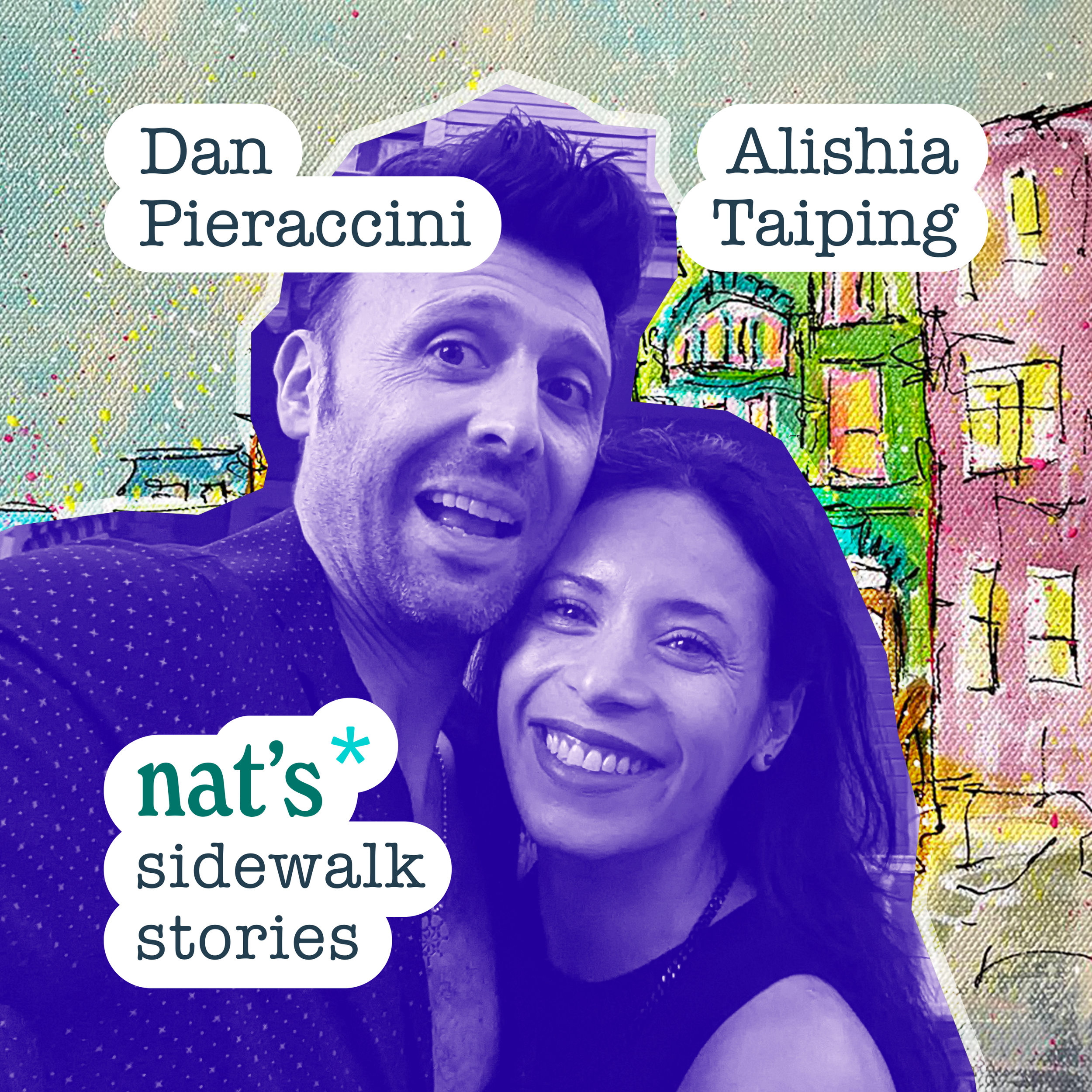
About This Episode
Dan Pieraccini and Alishia Taiping are two of four co-founders of Forget the Whale, Jersey City's beloved band that brings joy to nearly every community event and festival in town. In this conversation, we explore how they create music together as a couple, their deep involvement with the Elks Lodge, and what it means to build community through both performance and service - from Food Not Bombs to fundraising concerts for veterans and families in need.
Meet Dan Pieraccini and Alishia Taiping
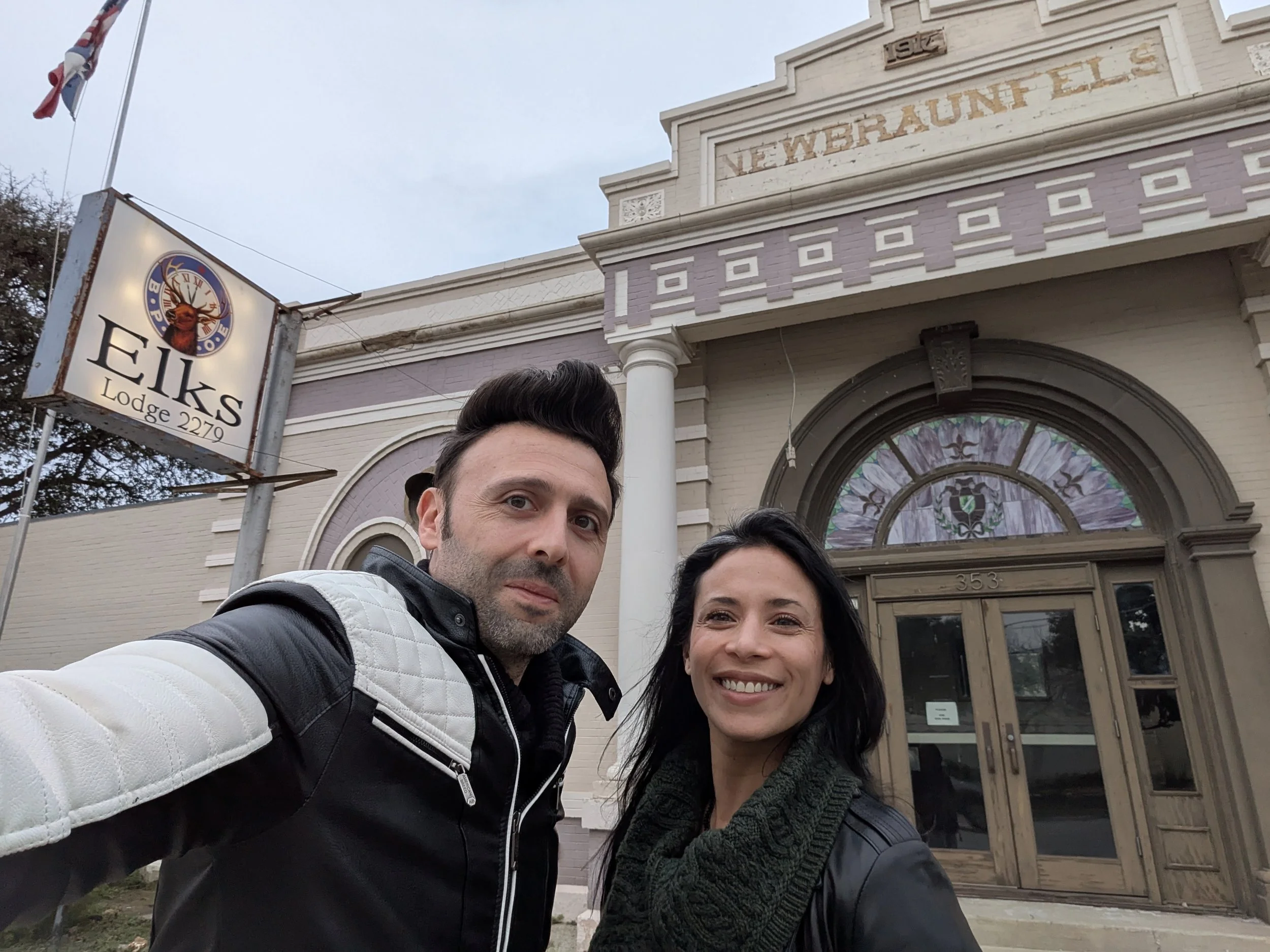
Alishia Taiping is Forget the Whale's co-founder and lead singer, Dan's wife, and proud mom to Winona and Garvin. Professionally, she helps people finance their homes, but she stays active in Jersey City's arts community through performance and volunteer work that strengthens our cultural tapestry. Dan Pieraccini is a musician, songwriter, and co-founder of Forget the Whale. Beyond music, he's deeply involved in Jersey City's arts scene through JCAST (Jersey City Arts And Studio Tour), Jersey City Theater Center, and Art House, and when he's not building Dungeons & Dragons worlds, he's saying yes to interesting community projects.
Connect with Dan and Alishia:
Instagram: @forgetthewhale
Spotify: https://open.spotify.com/intl-de/artist/5jTaVspFTd3rY2xDUfaakR
Facebook: https://www.facebook.com/Forgetthewhale/
Apple Music: https://music.apple.com/us/artist/forget-the-whale/1080511867
Key Insights
From cover band to creative partnership: Dan and Alishia met when she auditioned for his cover band, The Dirty. Dan showed up late and nervously introduced himself as "Steve," leading to Alishia's charming response: "Steve or Dan, I don't know. I'm charmed." They've been making music together for 15 years.
Music as community building: Forget the Whale formed with Dan's downstairs neighbor (drummer) and coworker (guitarist) as the core four. The band has become synonymous with Jersey City festivals and events, bringing joy and energy to the community with their 7 band members.
The "Downtown Expats": Dan and Alishia are part of a group of 11 friends who all moved from downtown Jersey City "up the hill" around the same time. This creative collective hosts rotating themed dinners, creating what Dan describes as an alternative way to build friendships in Jersey City—knowing people intimately rather than just seeing them at public events.
Service through the Elks Lodge: Their involvement with the Elks evolved into deeper community work during COVID. Their lodge focuses on veterans, special needs children, food insecurity, school supplies, and feminine hygiene products for schools. It's also proudly diverse, flying the pride flag and hosting pride events.
Performing as a couple has unique challenges: When Dan asked fellow musical couple Howling Bill & the Basement Dwellers about gigging together, they responded, "It's the worst." Dan and Alishia agree—without other band members to diffuse anxieties, equipment issues, and logistics, performing as a duo is harder than full band shows, even though they love each other deeply.
The question of professionalism: By the definition that anyone who's been paid for their work is a professional, Dan and Alishia are professional musicians. But they view the band as a "self-funding passion project" rather than a career, finding fulfillment in the expression and connection rather than the income.
Visual Documentation
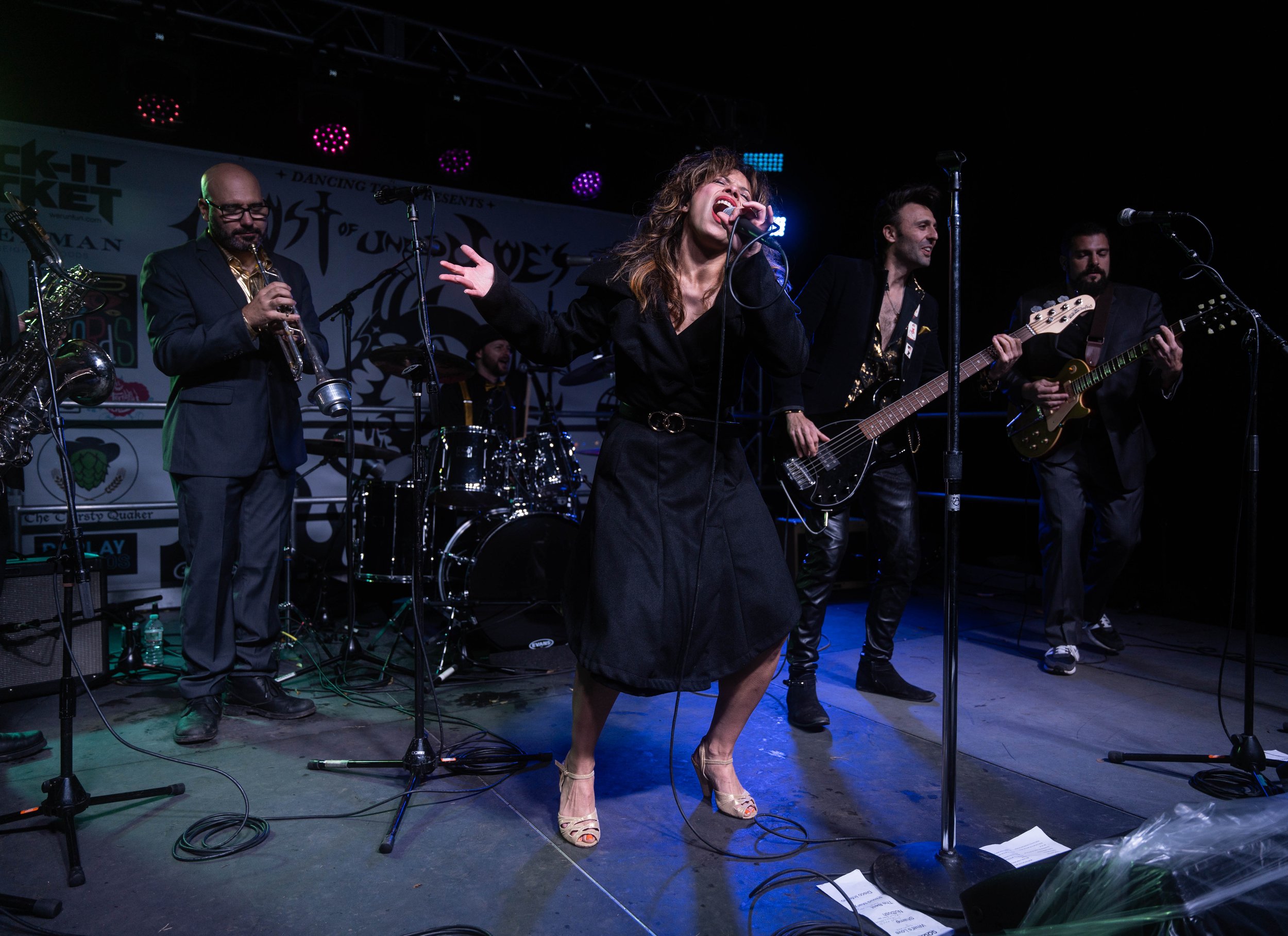
Forget the Whale with Alicia Taiping …Rockröhre (pronounced [ˈrɔkˌrøːrə]) is a German colloquial term for a powerful female rock singer, literally meaning "rock pipe" or "rock tube," used to describe a vocalist with a strong, distinct, often husky voice, like Tina Turner or Bonnie Tyler, emphasizing vocal strength and rock style
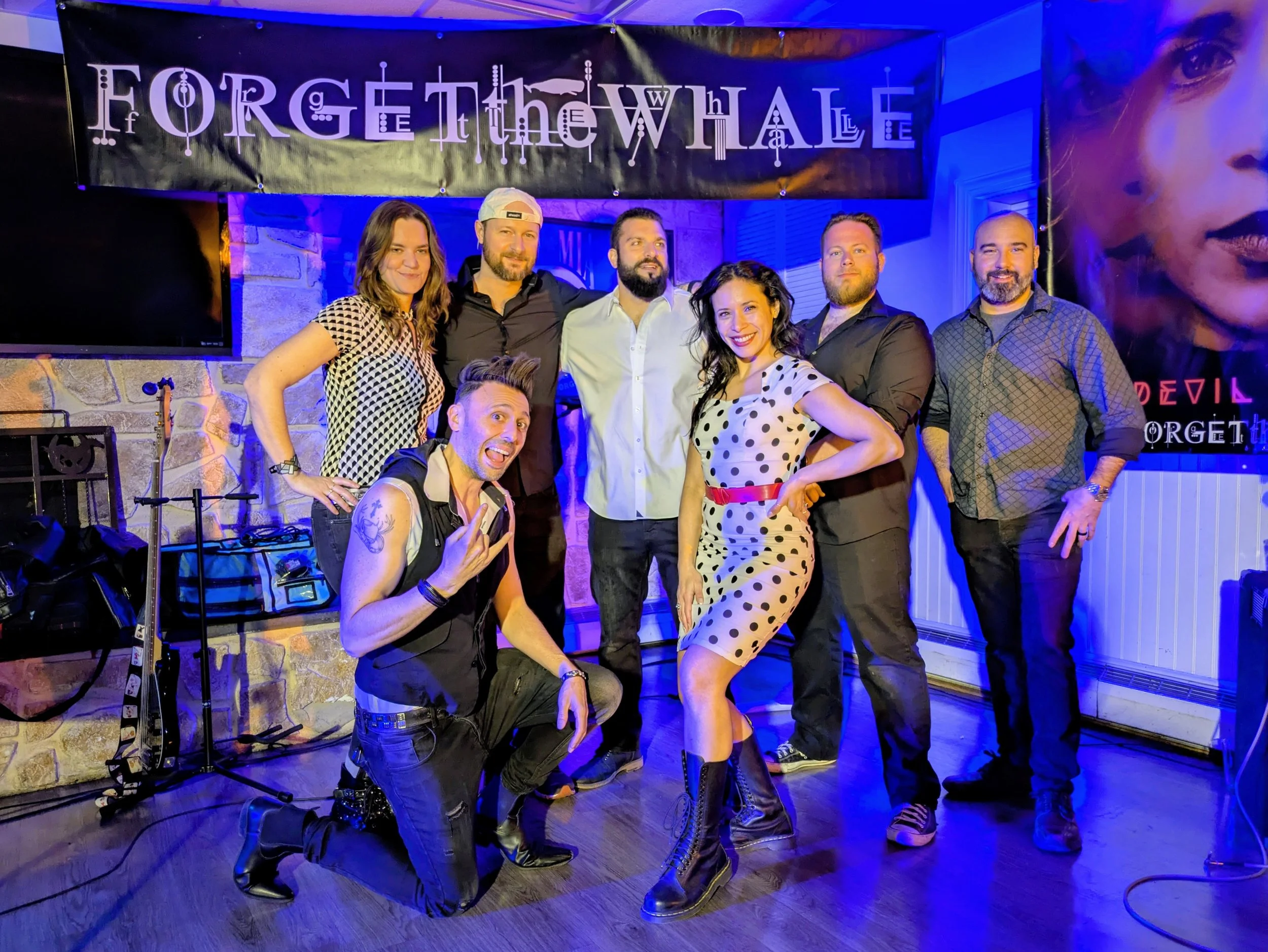
Forget the Whale - Photo curtesy Forget the Whale
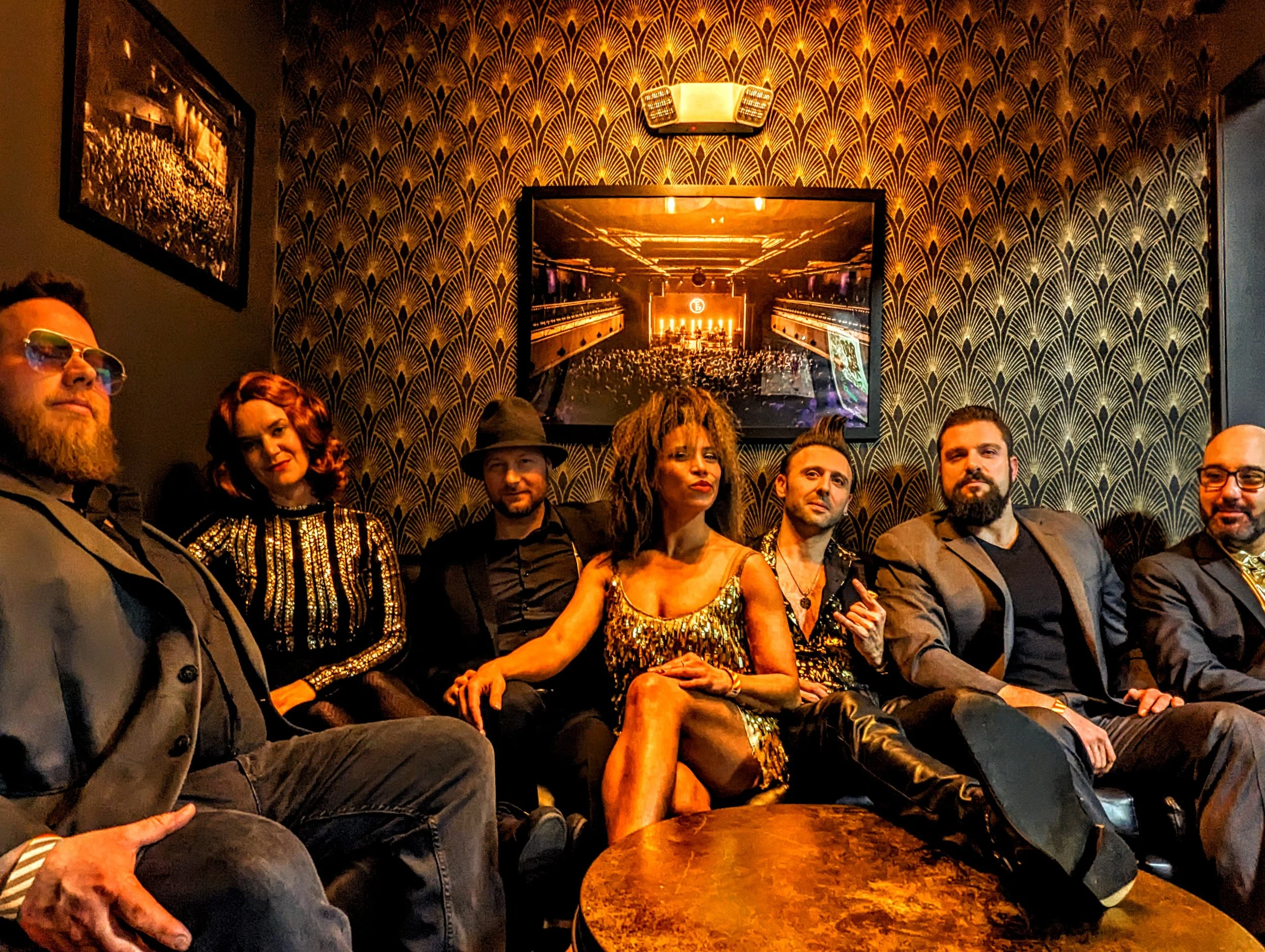
Forget the Whale - photo curtesy of Forget the Whale
Related Resources
JCAST (Jersey City Arts And Studio Tour): Dan's involvement in Jersey City's annual arts tour
Food Not Bombs Jersey City: Community food sharing organization where Dan and Alishia served and performed
Elks Lodge: Fraternal organization focused on community service, veterans, and food insecurity
Howling Bill & the Basement Dwellers: Fellow Jersey City musical couple and friends
Young Rascals: Rock and Roll Hall of Fame band featuring Alishia's great-uncle Eddie Brigati
Explore Further
Coming soon on substack - an article inspired by my interview with Alishia and Dan - Subscribe so you do not miss the articles that go along with my podcast interviews.
Coming Up Next
Stay tuned for more conversations with Jersey City artists, community builders, and the people shaping our cultural landscape.
Connect with Nat
Website: natkalbach.com
Substack: https://natkalbach.substack.com/
Instagram: @natkalbach
Email: podcast@natkalbach.com
Music: Our theme music is "How You Amaze Me," composed by Jim Kalbach and performed by Jim Kalbach, Bryan Beninghove, Charlie Siegler, and Pat Van Dyke.
Support the Show: Subscribe to the podcast and sign up for my Substack to receive additional stories and visuals that complement each conversation.
Share Your Story: What sidewalk stories have you discovered in your neighborhood? Share them with me through email or social media.
Nat's Sidewalk Stories explores the intersection of place, community, and storytelling through conversations with practitioners, community leaders, and local changemakers.
Full Transcript
nat kalbach: Hello, this is Nat Kalbach with Nat's Sidewalk Stories and today I am talking with Dan Pieraccini and Alishia Taiping the creative heart behind. Forget the whale. Jersey City, amazing band that brings joy to just about every community event and festival in town.
Dan is a musician, songwriter, and co-founder of the band, and he's deeply involved in the local art scene. He does work with J Cast Jersey City Theater Center and Art House when he is not building Dungeon and Dragon Worlds or saying yes to interesting community projects. Alishia is the band's lead singer and also co-founder Dan's wife and proud mom to Winona and Garvin. And professionally. She helps people finance their homes, but she stays active in Jersey City's arts community, performing and volunteering to be part of our cultural tapestry. In our conversation, we're diving into how they create music together as a couple, their involvement with the Elks lodges and what it means to build community through both performance and service. Let's get into it.
Hey, I'm so excited to have my friends, Dan and Alicia here. Hey guys, how are you? Hi,
Dan Pieraccini: Nat. Doing good. I'm so excited to be here.
nat kalbach: Checks in the mail. Most of the listeners will probably know you and most people in Jersey City. I mean, it's not the only thing, but it's one of the main things, probably how people know you is through the amazing band that you two are part of.
And it's not only you two, forget the whale. And we love the band. I always love seeing you guys because there's so much energy and fun and the music is good and it's a party and it's just so joyful. But, tell us a little bit about the band itself and also why it is so important for the two of you especially.
Alishia Taiping: That's a loaded question. So tell us about the band. Hi, this is Alicia here. Anyway, so the band formed in Jersey City. Dan was living here. I was not yet. We're both here now. And, we had already been dating and already had been working together musically with a cover band. It was, I don't know, it was just time to try to do our own project.
The cover band was kind of wrapping up and Dan had a neighbor downstairs who was a drummer and a coworker who played guitar. And that's the core four. It was the four of us. Pete plays, the guitar and AJ plays drums and that's how we started. We were just jamming out, doing some, like, really weird, uh, you know, folky renditions of covers is kind of how it started.
'cause there was also a friend playing the mandolin. So we were just kind of like feeling it out, doing, you know, wacky, wacky stuff, mashups and, and, and getting our own dynamic together, playing in a living room. In Jersey City.
Dan Pieraccini: Yeah. And, uh, it's interesting because the, the, the band has so many different iterations, but that one was definitely one where, Alicia was dabbling with singing with other groups and saying, Hey, it would be really fun if we did something original.
And I was like, why don't we do it together? To your point about why is it so important to us? We started as musicians together, so it almost felt like we should continue this project, but we had never written before. And of course, bringing together a bunch of new people to write, can be difficult.
But, the thing that made it really cool about Jersey City was that there was already a, a lively music scene. And so we, I think. Started, cutting our teeth in some of the clubs that were around and praying for, for the attention of dancing Tony and the cultural affairs and everybody who would book us.
And then something radical changed when we started, practicing and playing for the ghost of Uncle Joe's. Uh, our first submission was No Doubt, and then we were Paramore and then we needed a horn player for, a song. And all of a sudden we were like, could we use the horn player more often?
Do we need more horns? And then once we added horns, it just took off. And uh, ever since then we've had the Indomitable Amy Elise, a well-known, musician around town as well. And suddenly like. Things really took off. And we became, on the hot list for a lot of those aforementioned groups that would book, I mean, dancing tony calls us all the time. We play for various different groups like the West side arts, uh, certainly downtown H-D-S-I-D, the Cultural Affairs we're a go-to for art house. We started playing, snowball, all about downtown and you know, the opportunities that are coming up. Again, I don't wanna spoil it for us, but we have some really great things in the work that are just so Jersey City that it, I think, I feel like that's when we broke in, in about maybe five, six years, once we got the horns and all of a sudden we were everywhere and anywhere.
And and the most amazing thing, I think was when we started to get recognized and people are like, oh, you're that guy in that band. Or, oh my God, Tina, because Alishia, of course was in front of thousands of people as Tina Turner and then just most recently as Aretha Franklin. So. She's obviously well known and, and that that has been an incredible ride.
nat kalbach: Yeah, I love that. There's a word in German that I don't actually know how to, how to translate it would describe Alicia as Rockröhre, which is rock obviously. Rock and roll. And then it's like a megaphone. When you say that about a musician, it's like she really got it.
She's the voice. So that's what I think when I see you, I think in German I go,
Alishia Taiping: which also sounds like awkward.
nat kalbach: I know but if I ever say this loud in the next concert, you know what that means.
Thank you for sharing that. I love
it. So you guys, you mentioned that, shortly before Dan, that you have known each other before because you work together on a cover band and, um, wanna share something there.
Dan Pieraccini: Yeah. Like all awkward kids in the nineties I didn't play sports, so I, I jumped into music and, uh, it was after college that I, I looked at my friends who were around me and just said, Hey. Why don't we start a band, , has that always been playing in different groups and whatever. And, we had this band that we called the Dirty, it was short Jersey and we played a lot of, um, what you'd expect to hear at a dive bar in New Jersey.
Bon Jovi, Def Leppard, some of the newer stuff like Lady Gaga, even weird stuff like Limp Bizkit, whatever point is, it was great. And then, our singer got a gig off Broadway somewhere, and so we lost him. And our drummer was like, Hey, I have a, a person who could sing, she's a girl and the rest of my band mates were like a girl.
What? And I was like, yo. And he was like, no, she's
nat kalbach: a real,
Dan Pieraccini: yeah. Yeah. Well, we didn't have that term back then. This is a recent, uh, you know, nascent neologism from a, from Avantgarde Germany. But at the time we just had that reaction of a girl and. You know, I was like, what do you want a hot guy that's gonna take all the attention from us?
Anyway, we set up an audition and, she was actually the only one who showed up, but I showed up late, which is uncharacteristic of me, which should tell you right then and there, what a strange event it was. But I walked in and I see Alishia and I introduced myself 'cause I'm nervous and I'm late and I'm not doing well.
And I said, hi, I'm Steve. And she says, hi Steve. And I said, no, hold on. No, I, I'm, I'm Dan. And she goes. Steve or Dan, I don't know. I'm charmed. And for the first year of being in the band together, all I could do is go home from these gigs and be like, I'm so in love with the singer. Aw. And I would, make more of an elaborate thing of setting up the pa where I, I needed extra help so that I could like, see her plugging in things and work with her and, you know, like, we gotta set up a speaker.
We have to lift
Alishia Taiping: the speaker together. I can't do it by myself.
nat kalbach: Oh my God. Yeah. That's so wonderful. I'm so glad that, um, a, it turned out that you're dan.
Yes. Yes.
After all. And that you guys are together and Very happily so. And I love being around you guys because you're so cute. Um, that was
Dan Pieraccini: like 15 years ago.
15
nat kalbach: years ago.
Dan Pieraccini: Yeah.
nat kalbach: So Alishia, so Dan, you lived already in Jersey City then?
Dan Pieraccini: No.
Alishia Taiping: No, he was in Morristown at that point, like for very split, like it was a split second. Yeah. And when we started dating, he had already moved to Jersey City.
nat kalbach: Okay. Gotcha. So, um, let's stay a little bit still in the music genre.
Alicia, you're actually coming from a musical family. Mm-hmm. Um, you're the great niece of Eddie Brigati. That's right. Yeah. He's a rock and roll hall of Famer and, young Rascals legend. Did you always know that you would go into music and front a band, I was blown away when we were at your, numerous engagement and wedding parties about the sheer insane amount of people.
Not only that, you know, as you two as friends, but also just from your family, Alishia, that are performers and singers and everything. So what did you learn from your family about performance?
Alishia Taiping: Yeah. Yeah. So, so for the listeners at that engagement party, we did basically a variety show and we asked family members and friends to sing, dance, whatever, play some music or to put on a show. And so I had a lot of representation from my family as you, as you were mentioning. And if you think about that, that's just how I grew up. So I didn't really know that I had any musical talent. Like I really didn't even know that I could sing until I was an adult. Like it was, it was 21 years old.
My mom put together a family Christmas album, which seems so normal. Um, to me. She puts together a family Christmas album and every single person is like a ringer. And that's just how, and that's, I, I picked a Mariah Carey song, which stupidly, like, when you think about it, of course, who would pick a Mariah Carey song?
Like I could, I could sing, but it just didn't occur to me at that time. So I was very pleased with the result. But I was 21 years old at the time that I realized, oh my God. I think I have, I think I have something here. 'cause everybody sang, my uncle sang, my mom sang her and her sister sang beautiful harmonies together.
My grandmother taught them my, I have aunts and cousins and everybody, you know, sings
Dan Pieraccini: Uncle David with the Star. My Uncle David was
Alishia Taiping: a, was a, um, like in the doop era before, my Uncle Eddie, that's his older brother, uncle Eddie, was following in David's footsteps. He was, uh, in Joey Dee & the Starliters and in the high fives.
So I just thought that's what you did. And they wrote their own music. So honestly, my mom was a singer songwriter, and it's definitely what I wanted to not do. I, I never considered it, so I never, you know, was trained. I didn't learn how to play instruments, which I regret. So it was a, I guess it was just meant to be.
Dan Pieraccini: In fact, I have it under good, um, authority that your playing with our cover band was the first band you really played in, right?
Alishia Taiping: Yes. Yes.
nat kalbach: Wow.
Alishia Taiping: Yeah, yeah, yeah.
nat kalbach: So it was just part of your life, but because everyone was so freaking talented, and it wasn't something that you were aspiring to, you didn't really realize that you had this talent and also that, that would be fun to do.
So that's really interesting.
Yeah. Yeah. Yeah.
That is so cool. So Dan, you were, monitored by the Hollywood, records in college. Is that right?
Dan Pieraccini: Oh, wow. Yeah. That's a, that's a deep cut. That's a deep cut. Yeah.
nat kalbach: So what did you learn from that? Tell us a little bit about it when, for people who don't know what that means, and what did you learn from that experience, that you took with you?
Dan Pieraccini: Yeah. So, you know, at the end of college I auditioned and played for, and started playing in a band, with this guy who was quite famous in the emo scene. And he was an incredible talent. Just one of the most amazing singers, including present company, just the most amazing singer I've ever sang with.
This guy was like, would've won American Idol, you know? And, and he had just left his band and was looking to start his own project and everybody in New Jersey knew him. So I tried out and I got in and, and started playing. And, I thought it was gonna be a really kind of a, a career move because I was wrapping up college and we had a scout from Hollywood Records, which was Disney's record company at the time.
Uh, and they were trying to diversify their portfolio. They had Hannah Montana, AKA Miley Cyrus at the time. They had breaking Benjamin A. Christian harder rock, uh, and Plain White T's, which you'll know is, uh, the famous artist behind the, the hit song, Hey there, Delilah, which of course everybody remembers from the late nineties, early two thousands.
Anyhow, uh, so they wanted to have like another cool looking. Boy Rock band, , pretty boys that that also rocked hard and uh, and so they were sending out first David Pearl, their like managing scout, who would come to our practices and shows. And then they sent the next guy up and they were just like ready to go.
I mean, they were bringing me signed pictures of Hillary Duff because I really liked Hillary Duff. She was also on the record label, which is hilarious. Um, and I was like, okay, this is gonna be my career. Um, and unfortunately the the singer, um, I think was struggling with some mental health issues mm-hmm.
And really just wasn't happy with the performance. This is when, you know, I think when you're that talented, but, but so fixated on, on a level of perfection that couldn't be attained. Because I know when I, I left the band, I'd had enough with a lot of the flip flopping and, and some of the, I guess not great habits that were, that he was forming, but I heard that all they needed to do was send a demo to Hollywood Records and they were ready to, to move on.
Oh wow. And I think he did 150 vocal takes on one song and none of them were good. And I'm telling you, this guy could. Just
nat kalbach: Wow.
Dan Pieraccini: Lead a nation with his voice. So I don't know what was wrong there, but so alas, I think most of the, the band broke up after that, but sad because Yeah. An interesting life.
nat kalbach: What did you take away from that for you?
Is that, not being too perfectionistic or
Dan Pieraccini: Yeah, so I think like all the bad leaders that we serve under in our lives, we learn how to be good leaders. And he was a band leader that I, I learned a lot from through what he did and what I didn't want to do.
Mm-hmm. So, from there I realized that writing is not a scary thing. It's not a, a weird thing to throw words out there. I, I think that might be one of the most frightening parts of writing music for people in a room Yeah. Is
nat kalbach: to,
Dan Pieraccini: is to put words to melody. That's not necessarily scary. Um, and I think it also helped me agree that while he wrote from a very personal place, and a lot of singers do, Alishia had just mentioned she had not come from a writing background.
So what I steered forget the whale into was more of like, what are stories? What are moments, what are scenes? What are imaginary characters that we can all collaboratively write about without feeling like we're bearing our soul? You know? Or that we can write from a protected vantage point where if we're writing about this character, we've all been in those situations, but we don't need to necessarily, share how we felt.
nat kalbach: I wanna ask you, because you just mentioned that, so does that mean that you write the songs oftentimes all together? So it's not like that you two or one of you or someone else from the band sits in their own, room and then comes to the band and says, Hey, I got an idea and I wrote something. You, you actually sit there together kind of like.
Uh, the Beatles documentary that came up last time where they all like sit together and come up with something. Is that what it is?
Alishia Taiping: It's, it has become a lot more like that,
nat kalbach: huh?
Alishia Taiping: But it can happen all different ways. I mean, it's definitely been the case where Pete, our guitar player, will have a whole song fleshed out, chord wise.
Music, music wise, and, and maybe even a chorus, maybe even words. But I think for the most part, even if a song is, pretty formulated, we collaborate on those finishing touches, right? Like, so Pete's, the guitar player's not gonna write the drum part, right? So AJ will put his own flavor on there.
Dan will put his own baselines on there. Sometimes we have lyrics and, and I would start to sing them, but they, they clearly don't work. You need different sounds. So we might change up words. And one of our new songs that we're recording right now, we actually rewrote the whole thing 'cause we were gonna scrap it.
And it was just like, it just wasn't feeling right and it had everything, we kept most of it and only really changed. The beat, like the, the vibe, the feel, and and some lyrics and basically saved it. And it became a song that everyone really loves. But it is, it is very collaborative.
nat kalbach: I love that.
Dan Pieraccini: Yeah, the more interesting ways we've done it is sometimes somebody will have like a prompt, like in the case of, our song Leave the Bottle, which everybody should check out after this in the show notes, where, Pete had this kind of Spanish rhythm guitar, but with like some rock edge and he goes, I just keep thinking about this five nights in Tamarindo.
And I was like, stop right there buddy. I got you. But also it's a gun slinger. And, but she wraps like Kesha and instead of whiskey she drinks. Rose and, and we'll go from there and, and all of a sudden, like the rest just kind of comes and people are collaborating and throwing out lines and it's cool because again, nobody is sharing too much from the inside.
Yeah. We're all imagining. And also it helps us with the economy of words, right? It's pop rock. So we're not gonna write these like super deep quippy sort of couplets that are like, wow, that's profound. It's more of like, we need to be able, you need to be able to hear over the music, catch a couple of images, and know that we are in a western style gun slinger at a bar.
Leave the bottle, you know what that means. And now we're gonna throw you a bunch of words like Choppa and Oaxaca and across the border and like, okay, that gives you an image that that puts you in that world. Then the story takes place. I,
nat kalbach: I'm already there, man.
Dan Pieraccini: Real quick about the Beatles, I wanna just throw about the, the, yeah.
Mention of the, uh, you know, how many people when that came out, came up to me and were like, you gotta watch this. It's so cool. They sit around and they write music, and I'm like, why? Why would I watch that? I could do that, you know?
nat kalbach: Yeah. But I think, like for many people like me, I, I remember as Jim, who's a friend of yours as well, my husband, also plays in a band, right?
So I'm not a musician. I don't write music. I see what he's doing, but I don't know. So for me watching, it was indeed like, wow, this is how things go. Oh, I had no idea. Right? So I think for people, of course, it's weird when they say, Hey, you should watch it because, you know.
Right. But they should come to me and say, you should watch it. So you understand what's going on there. So you both bring a lot of joy to people, as I said. I know that it's not just me, it's for many people. And you were saying how you actually go about when you write your song.
So is is bringing joy to people with your music is that intentional? How do you think about your role, and it doesn't have to be just Jersey City because you guys are playing out of Jersey City as well, but let's say, how do you think about your role in the Jersey City music scene?
Alishia Taiping: Yeah, I think, uh, we definitely. Aim to have positive messaging in our music. And not only do we have little stories and characters that you follow through a song, but the positive messaging has allowed us to play, I think in a lot more different venues and places like in community events where often, you know, Dan mentioned a lot of the outdoor events here in Jersey City, but we've also been welcomed to play outdoor events in all sorts of communities like, across New Jersey.
But, um, I think it's because of that, it's because of the positive messaging. It's pop rock, so it's upbeat. You don't know the song, but it's also still familiar because of the hooks and, and. A lot of major chords, a lot of dancey, dancey kind of stuff that'll get people moving and, and calling back, answering back.
So, um, we do try to engage our audience. Like that's often what we talk about in the performance aspect of when can we do a call and response. We wanna get the crowd with us like you're playing music with us, we wanna get you clapping, we wanna get you singing back with us.
And one of my little, one of my little, um, seedlings of an idea is for merch. I wanna make forget the whale shakers so that the crowd can play with us.
nat kalbach: I want one. I want one. I don't care if you do it for everyone. I want one. Hey
Dan Pieraccini: Nathalie, I want one too.
Alishia Taiping: I know. I'm sleeping on. I have to put that together.
That's my job. But, um, 'cause it's my idea. But yes, I think it's very much, to connect to the people we're playing music for. We wanna play music with, our surroundings.
Dan Pieraccini: Yeah. And I'll throw in also, I'm like just a cheerleader class president, teenage girl myself, you know? And, and if you were to look, if you were shed the pretty exterior.
That's all I am. Right. And I write from that perspective too, I grew up playing a lot of bass in like. These Christian rock like, uh, uh, sort of retreats and, um, youth groups and music ministry and stuff like that. And I, I see the power in, in positivity in music.
And boy, are there plenty of people who are doing the negative judgy. This is what's wrong with the world. They got that covered. Um, so the inner cheerleader in me wants to remind people that like, no, there's, there's beauty in like overcoming, obstacles. And so there's one whole like, you know, bucket of art songwriting.
Is that like empowerment or that sort of ironic look at like, yeah, here's what's wrong with the world, but guess what, here we are anyway. Then there's the darker songs. But even they have like in a bit of an ironic twist and uh, and they're a little bit like laughing at the darkness, I think. And all of that I think is what makes it.
Us coming at it with a lot of fun. Even the saddest, most like emotional songs, I think have these moments of like, where the sunlight breaks through and, some great guitar solo, like turns it around and, and, and we'd go to the major key because there's nothing more powerful than like staying in minor and all of a sudden like, bam, that major key hits and you're like, oh my God, I'm here.
nat kalbach: Yeah. Actually, it's an interesting thing because I listen to a lot of different music and I can, uh, I mean I love alternative music and you know, some of the dark stuff as well and like grumpy stuff. But, there's always a place for something, right? It's like when people say about visual art, oh, it's too pretty or it's too, too nice like.
I'm fine with that. Sometimes I, I want art that looks like an armchair, I can, cuddle myself against and, and be cozy and feel, feel okay with that. It doesn't have to be bad art, therefore, right. Like it doesn't have to be cheesy or whatever. Yeah. Yes.
Dan Pieraccini: And I'll add on that. Uh, you want ugliness, look outside. We're here, we're doing it. We got plenty of that. Why don't we exactly make things that are where we can at least escape to and be in for just a, a short moment. Yeah. Connect on, you know,
nat kalbach: I like that. , And that's exactly what I think when I think about you guys.
When you're up, I'm like, yeah, I go there to have a good time and to have a good party and to be reminded what it is to be outside on a hot summer day , so I wanna swing a little bit somewhere else.
Um. You volunteer a lot and I wanna talk about that later a little bit too. But, um, you also are both very ingrained in the culture with the Elk lodges and as I was from Germany, I probably is a weird question maybe for Americans, maybe all Americans know what that is or what that means.
But would you wanna share a little bit about, what are the Elk lodges and what draws you to that and what are you doing there?
Dan Pieraccini: What are we doing there? Um, you know, a couple years ago Alicia was still living in, um. South orange, south orange, right around the corner from an Elks lodge, uh, of which there are over 2000 in the United States.
Um, but she had this one right around the corner and she started going because her neighbors invited her and she found it to be a really hospitable little at best, a dive bar, with, a community slant. And we knew that it was some sort of a nonprofit and they would have bands there and, and what have you, cheap drinks and all that.
But then she started to get into the lore of it, and then she said, you gotta come check it out. The people are really fun. It's very welcoming. It's very diverse and, and inviting and, and inclusive. Oh yeah. And, uh, you should meet our exalted ruler now. Hard stop here. Record scratch. I was like, wait, what?
So she's like, yeah, they have an exalted ruler. Oh. And then at 11 o'clock they do this, this toast for their absent members. And I was like, hold on. Oh. Uh, so I did and I enjoyed it very much and I said, well, now I want to be an exalted ruler, because that sounds amazing. In short, very briefly, in a couple sentences or less, uh, at a certain point in American history, social clubs were formed, mostly to avoid blue laws, which prohibited people from drinking on certain days of the week.
And they had to create nonprofits, to be legally given this like club licenses so that they could drink in their establishments. Uh, at the beginning it was sort of a free for all. And this group in particular was called the Jolly Corks. They were, British immigrants who were actors here, and they wanted to travel with their troop and be able to drink on Sundays.
That's how they formed Jolly Corks is the name of their game. They were playing this drinking game with a cork, and so they called themselves the Jolly Corks. As the American landscape became sort of unified in how these groups were gonna be called and how they would be regulated, most of them, if not a great majority of them, ended up taking on animals, uh, as their, um, sort of names.
So the Jolly Corks became the Elks. But you may also have heard of the Eagles, the lions, the moose. And then other groups like the Masons of course, are very famous. The Knights of Columbus, the, the Knights of Malta, uh, et cetera. And of course the veterans, uh, the vfw. Mm-hmm. These groups, exist now and are both, fraternal in the sense that you join, you need to know somebody to join, you take an oath and there are certain, like regulations by which, you follow to, be a part of them.
But they're also, uh, each one of them has their own causes by which they raise money for, um, to help their community. Each one of these animals or knights or whatever, they all chose their own. The Elks in particular decided on. Special needs children and veterans. Uh, and that's something that I think we're interested in.
I'm gonna pass it over to Alicia for a little bit about that. Yeah,
Alishia Taiping: yeah. Before we got really involved with the Elks, we were, Dan got involved with Food Not Bombs, here in Jersey City where we were sharing food with, the community members on just on Sundays. And it was people who were homeless and people who weren't, you know, just whoever was hanging out, over by Journal Square and, you just get to meet people, uh, serving food and other people in the community.
And I started joining him there. And then we started bringing music there. Um, and it was a really special time. We met a lot of wonderful friends, Zach being one of them, actually. Zach Green
Dan Pieraccini: from episode two 16, if I'm not mistaken.
Alishia Taiping: Yeah, yeah. Check it out in
Dan Pieraccini: the show notes
Alishia Taiping: in the previous episode. But yeah, so that kind of just like circles back to when we got really involved with the Elks.
It's the Veterans of Special Needs Children, but it's also food insecurity in the community. And during COVID we got really, really involved 'cause there was such a need. The lodge that we both belong to is right next to Newark, which is a huge, city, uh, with, with need, and there's just a lot of people there.
So, uh, we were able to feel like we were helping, with food pantry stuff. Collecting, , school supplies for kids, you know, things like that. So it became less about. Cheap drinks and all that, and more about getting involved with the community. But our lodge in particular is music music oriented.
So a lot of our fundraising is music concerts
Dan Pieraccini: and incredibly diverse. We fly the pride flag, we have a pride event in June. Um, I know we, we also
collect, um, feminine hygiene products for schools that can't afford them. And also I will say on an expanding out of New Jersey level, the Elks has also allowed us as we travel quite a bit. I love to see different parts of the US. For a long time, the dive bar was where I would kind of like try to talk to people and learn about where I am, but the Elks does that for you. So we walked to Page Arizona, which was a lodge run entirely by Native Americans that lived there, and that was incredible to see.
Wow. And then we went up to New London and that was all black folks that were there. And then we went to doing
Alishia Taiping: the most amazing fish fry.
Dan Pieraccini: Yeah. Wow. Then over in Detroit, I went to the gayest lodge I've ever seen in my life the rainbows all around the taxidermy, elk heads. And I was just like, where am I? So a lot of them are indicative of their community too.
And it's so great. 'cause if you come into a little town somewhere in, like, uh, in Virginia where I laid over for like a night and you know, you, you can meet all the people in that little town because they're all at the Elks Lodge playing bingo, playing cards, hanging out, carrying on, whatever, and suddenly you've opened a window into that community that you would never have received if you walked to their public library or a church or anything else.
nat kalbach: There is an old building, um, I forgot which, which store's in there, but it's on JFK, on the way to Journal Square. It was a former Elks Lodge. I think there's like a shoe store or something in the bottom now so there is none in Jersey City, I guess then. That closed?
Alishia Taiping: No, no, it closed it. So, so they've, they've been waning, through membership or just losing charters or whatnot. So Jersey City Lost Village Charter. We never got a chance to visit. Um, there is one in Hoboken and we have friends there and they're great. They have pool leagues there. They have a bunch of, uh, pool tables and, um, they always just do, there's always, it's all fundraising events.
But they're interesting events like that, that one of their big ones is the, uh, Robbie Burns dinner in, uh, I don't remember where it's, it's
Dan Pieraccini: in January and it's, Robert Burns was the poet laureate of Scotland. And so they, there's this, it's this thing you can run in your own house, but they do it and they bring out the haggis and people give these toes.
Oh, funny.
Alishia Taiping: There's pipe, there's a bagpipe playing and people in kilts, and it's just a, you're drinking scotch and
nat kalbach: maybe you guys, maybe the expats should like form the, the chapter of the Elks, um, which is another thing we will talk about. But one of the questions for you guys were, for me, like, how does raising funds for different causes through the Elks, compare to the community building you do through music.
So, because you were talking about, you learn about when you travel around, you learn about the different communities through the Elk Club.
Dan Pieraccini: Right away. I would say that the stuff that we do in Jersey City is a lot more arts-based.
So even when, when Alicia was talking about our food not bombs, endeavors, I don't cook. So once I was kind of over just pouring rice and beans onto people's plates, I was like, wait a minute, these people don't get the access to that we do to like art and poetry and music. And so I started thinking, what if we had performers while they were eating?
How cool would that be?
nat kalbach: Mm-hmm.
Dan Pieraccini: Um, but also for a long time I was volunteering at Jersey City Theater Center. I've done some stints with, Art House, but also Alishia has been volunteering with 14 C for a while. Mm-hmm. We know that that is also difficult, right? Running arts organizations and getting artists to, uh, a place to perform, a place to show their work, the organizational aspects, the, a crowd volunteers, all that stuff.
That's important too.
Alishia Taiping: I think when we're doing. Like Elks based fundraising or community fundraising. It's, it feels rewarding in a different way. Like it's definitely work. It feels like more work than sharing our music,
um, sharing our music is, fun, and joyful to, to use your word. I, I love my band mates. It's, it's good to see each other. We don't always get to see each other, all seven of us. It's a, it's a lot of us now. So when we do get to play, it's like a celebration. It's like going out with your friends and you do your performance and then you get to spend some time together with, with other people that come to see you, meeting new people in the community.
Mm-hmm. Um, so that's, that's different than, than like putting in the hard work to Yeah. Funds for a good cause, you know,
Dan Pieraccini: for me it's a little, actually very different because for performing it actually, I feel very alone performing. I feel like I'm nervous up to the point I do the thing. And then I don't really have much to say after that because we kind of just did the thing.
Um, whereas with volunteering, so I'm so extroverted that I'm practically in the upside down, you know? Mm-hmm.
nat kalbach: And,
Dan Pieraccini: and I, I, I have such a need, a desperate need to be around people all the time that I have to constantly reinvent ways in which I can, uh, push my, and this is a port Manto that Alicia came up with recently.
Push my Intrusiasm on other people, right? This is a intrusion, intrusion enthusiasm. And so I have to think that the world is a bed of nails and I don't wanna hurt anybody, right? So I have to think about equally spreading my intrus, intrus all over the world so that everybody gets a little bit. And, and volunteering is just another way to be around so many different people that you don't normally get to interact with and you're doing something.
So all of that strange, like, what do you do for work? Or Yeah, this weird weather we're having, like, who cares about that? Here you are doing something very practical and then you can have fun with it because it's very
nat kalbach: fundamental, right? It like, it goes back to like something very, very basic, like basic needs.
And, helping with something that should be just there for everyone, right? But it isn't so
Dan Pieraccini: almost brings us back to like our primordial, like when we were kids, we didn't think about money. We're around, we would, yeah. Third space and just be amongst people and like, this is a thing that still communally allows for that.
Whereas the rest of us are like, what am I doing for money? Who cares?
nat kalbach: Yeah, exactly. Yeah. I'm, I am, I'm amazed by how much you, two are doing, besides, you know, performing and having a full-time job, each of you and then you volunteering. Sorry, what?
Dan Pieraccini: Three jobs for me? Three.
nat kalbach: Three jobs for you. Like
Alishia Taiping: Dan, Dan wants you to know he is working on three jobs.
Yeah. Alicia works two jobs
Dan Pieraccini: actually. So, yeah.
nat kalbach: The band, the,
Dan Pieraccini: oh, no, no, no. Actually the band doesn't make any money. No.
Alishia Taiping: The band is our, our like self-funding,
Dan Pieraccini: um, hobby
Alishia Taiping: pop. Passion. Passion. Passion. Project.
nat kalbach: Passion. Okay.
Alishia Taiping: Yeah. Um,
nat kalbach: you don't see it as work? No, no,
Alishia Taiping: no. I don't see it as work. I don't feel like it's work.
I feel like, to go back to like juxtaposing volunteering versus performing mm-hmm. You're giving yourself, you're giving yourself in both way, in both instances, but in performing, it's, uh, I don't know. It's just fulfilling in a different way and, and sharing your expression with other people.
nat kalbach: Would you call yourself professional performers?
Dan Pieraccini: There was a, a college professor that said, has anyone here, a professional writer? And of course, nobody raised their hand. And then, she followed up with, has anyone ever been paid to write something? And then several people did. And she said, you're a professional writer. By that definition. We are professional musicians, but the very nature that music is not something that people pay for anymore.
Kind of puts that in question, right? Like, I'm almost very happy that people will come to see us play. That, that in its own right is an honor. You know, it's an
nat kalbach: interesting question, right? Like how, like when are you a professional performer? When are you an artist?
Is it only when you sell work or get paid? Or is it when you call yourself that or, you know? I come from a country where it's always very important that you, um, have a very straight laced, path to your career.
So, uh, even as an artist, like you way what, you didn't go to art school, like how can you be an artist, right? Where did you go to art school? I didn't. I'm a self-taught artist. Oh.
Alishia Taiping: I think I could say for me, I definitely have imposter syndrome sometimes.
'cause we play with other. Bands or other musicians that you're like, oh my gosh, I can't even believe I'm on the same like, night with them.
nat kalbach: Yeah.
Alishia Taiping: Um, but I think like when we do a big show, like Ghost of Uncle Joe's, for example, and you see the response from people and you've put in a lot of work, that feels really rewarding and that does make you feel like a professional.
Dan Pieraccini: And yeah, there's other ancillary, uh, aspects to any kind of artistry, right? Because just knowing your craft is the very beginning. Nowadays after COVID, especially as a lot of indoor venues kind of just called it quits, we will get an outlet and say, do your thing. And it's like, all right, that means we have to outfit the place with the equipment, the lights, setting up our equipment and making sure it sounds good, and then have our own merch, market the whole thing.
So yeah, at some point you learn all these incredible skills that are just so that you can go and play your stupid baselines in front of, you know, 10 people. You've now learned how to like. Make a flyer, mix a band, you know, uh, attach a digital. Pa to the speaker. It's, it's nuts. So yeah, in that regard, yeah, professionalism, I think helps a lot when we work with artists that then are like, where do I plug my guitar in?
nat kalbach: Yeah. Well, I think it's also, it's also interesting, like when you talk to, um, to the people that you work with, like, let's say the people that work with you, like, Dancing Tony and all the other people that have a venue, or for me it's whoever wants to show my artwork, a gallery or what, you know, um, professional means also, you can follow directions and you show up on time and you do what you have to do.
But the other thing that I was thinking about when Alicia said imposter syndrome, I have that all the time. And it's funny, I have friends that are insane, like insanely like talent, like they're. I would say the shit, yeah. Know, like my friend, my friend Adam, he has, uh, just done a mural in, in St.
Patrick's Cathedral in New York City. And it's insanely amazing. And I am like, can't believe that's there. And they're people in there that I know in the painting and stuff like that. And even he is the most humble person and has like imposter syndrome. Uh, you know, I've other artist friends and they're like, you, you're like, why do you have imposter?
So I think it's actually good in a way. It depends on if you have the, band colleague that Dan was talking about in the beginning from college years, right. Yeah. And he was so, probably had so much imposter syndrome that he wanted to be so perfect he could never deliver Right.
Or was too afraid for that. But I think it's an, it's humbling. I think we all need to kind of stay humble and that also gives us something to strive to get better and just not be like snotty and snooty and whatever you call it. Right.
Alishia Taiping: Make get too comfortable.
nat kalbach: Comfortable. Exactly. When you do make music together as a couple, and I know you have been forever together, so it can't be a problem for anyone, neither for you, nor for the band. Or is it, maybe you don't wanna talk about it, but it's like,
Dan Pieraccini: oh, I think he wants to talk about it. Oh, he wants to talk
nat kalbach: about it.
Dan Pieraccini: I found myself asking, um, Flori and Manny from the Band Howling Bill and the basement dwellers, a couple months ago. I was like, Hey, when you guys do a gig, just the two of you, they're also a couple. Um, you know, is it easier, harder? And they were like, oh, it's the worst. And I was like, oh my God. Thank God we're not the only ones.
I hate doing gigs with Alishia and I love her so much, but it is a hard thing to do because remember that Bed of Nails metaphor, you know? Yeah. The rest of the band we have like. Others,
Alishia Taiping: others to diffuse the Yeah, the anxieties, the nervousness, the
Dan Pieraccini: punctuality, the equipment, the equipment's all different, you know, the
Alishia Taiping: equipment.
Yeah.
Dan Pieraccini: When it's her and I suddenly I gotta play guitar and maybe put a shaker on my foot and I'm, you know, bringing like a different kind of amp and it's, it's so different.
nat kalbach: Okay. We are actually a group of, um, a of a bigger group of friends and we have shared a lot of time together.
I'm gonna out this here on this podcast. Oh my God. Now people will know. So, um, we all moved a group of 11 friends. We moved at the same time from downtown to what we call. Uptown, I guess up the hill, Westtown west up uphill. I don't think, not all of us are really on the West. It's like McKinley Square, like we are all over, but not downtown.
Just not downtown. Right. So, um, we call ourselves the downtown expats and we have, spent a lot of time together hosting dinners in, our different places and, gotten to know each other pretty well, spending lots of time with each other. Having just this group of friends, did that shape somehow your creative life or in these, these rotating dinners and conversations, was that inspiring for you in any way?
And
she's like, I can't say no right now because I'm on the spot
Dan Pieraccini: you said, and it could be edited, so Yeah, yeah, yeah.
Alishia Taiping: No, absolutely. So Elena, who intro, who's really, I think like we could call Elena the hub of introducing us at least to so many. Yeah. Um, we know her through the arts, she's an actor. Each person just has, there, there's mostly couples, but there's not all couples, but everybody is artistic and I think that's why we ended up getting along so well and having so much fun together and, and just laughs.
It's like a play date. It's so much fun and there's just silliness ensues. But yeah, the creativity, the dressing up, the costumes, themes for what are we going to eat? It's all very. It's all very inspiring.
Dan Pieraccini: I'll add a couple of things. For a while I thought Jersey City was sort of an outdoor city in the sense that like you see a lot of people out at the galleries, you see them at J Cast, you see them at Groove on Grove.
You get to know them in that way, but no one knows what anybody does for work. Nobody knows where they live or, or certainly not what their living room looks like. This was such an alternative way to approach friendships in Jersey City that like you remember, I didn't have anybody's number saved for like months.
I was like, I'm not getting in on this. This is
nat kalbach: all friendship manship.
Alishia Taiping: He's
Dan Pieraccini: like,
Alishia Taiping: I'm not quite sure if this is gonna last.
Dan Pieraccini: Yeah. But then it turned around and I just was like, gosh, there's something so beautiful about doing it that way. Which is like, yeah, of course. The friends that we know from Jersey City that we've known for maybe a decade plus that we've seen around.
We don't know much about them. We just like seeing them out and about. This was a very different way to, to open up. And certainly for me, uh, I remember, um, publicly announcing the day that I was like, okay, everybody, can I get your numbers please? Because I think this is gonna work out.
nat kalbach: And we were all like, oh my God.
Alishia Taiping: Yeah. And I could say, for me, I was moving here at that time when we really, like, when we, when he expedited from, uh, expatriated.
nat kalbach: Expatriated, yeah. Expatriated
Alishia Taiping: from downtown. I was moving here like for full time. So having the community of friends. Was something I don't think I've had in a long time as an adult.
Uh,
nat kalbach: I was going to say that actually that, that I'm, that I let you continue, but like, yeah,
Alishia Taiping: that's what it felt like is like, I didn't have a friend group since high school, like Yes. So it felt really, just welcoming and, and we have so many happy memories and it really, like, it helped us, me anyway, put my roots down here and I feel at home.
nat kalbach: Aw. I felt the same way that it, it reminded me, how you were thrown together in school. These people seem to be nice. And then you start hanging around and you're like, let's go to this person and to this person.
And you just hang out in the living room or in their, in their room and you start talking about everything. And I felt the same way with us. Wow, this reminds me of, of school, like high school or whatever, where you have a very different approach because we were, I mean, some of us were connected all through, I would say Elena, but, or, or knew one of the other peoples.
And of course, you know, we all knew each other like we knew you as a band and we knew Henry and Christie and things like that. But yeah, it was always like an out, like an outside view of these people, but we're very different. So yeah, it's really, really. Cool.
Dan Pieraccini: Yeah. And I just want to add one thing, A great, great compliment to my own personal hero, Elena Zazzanis, who will be my final Pokemon form one day when I evolved.
Uh, I want to be her in every way. And, um, I think that what she did was a really masterful move of, of getting people who not are just like-minded, but also really forcing that chemistry to happen. Or both organically, but also in some ways she worked at to get us to be together. And that to me is an impressive social move in a world where we are so disconnected now that most people aren't gonna let you do that to them.
nat kalbach: Yeah.
Dan Pieraccini: For it. So
nat kalbach: , And Hey, Elena, if you listen to this, uh, we did not talk about that before, that we are singing your praises. But I think that's her superpower. There are people that I think they're very rare they know how to bring people together and like just form this.
And she really does know how to do that. I don't know who else can do it. Um, but she's definitely, uh, one of them and yeah. Thank you
So , this was amazing if you could spend an afternoon with anyone from Jersey City's past, who would that be? Which corner would you choose as your meeting spot and what one question would you ask them?
Alishia Taiping: I'll go. So I had to research this question because I really didn't know who was from here that, um, that I'd be interested in. But I learned that right down the street from where we live, we're on the west side in, kool and the gang formed in the sixties. And maybe this is common knowledge, I didn't know this, but it was in the sixties, which had me thinking, wow, this was the same time that my uncles were performing not too far away in Bergen County.
And in fact, the drummer that was, uh, one of the young Rascals, Dino Danieli, is from Jersey City, but who I wanted to highlight was Kool and the gang. It was two brothers and some friends, and they would practice in basements and, you know, just kind of around. And it was a different place back then. It was a segregated city.
It was gritty and industrial. Um, so I'm sure that had a lot of influence on, on their music. And then they became, you know, legendary. So I would ask, you know, how was, you know, coming up and playing in basements similarly to how we did, you know, coming together in Jersey City in a different time, but like, how did this city during that time inform, how they built their sound, their music,
Dan Pieraccini: uh, yeah.
I'm gonna take the route of, one of your previous, guests on the podcast. Uh, the, man who was behind saving the Loews theater. He listed a whole bunch before he gave his answer. So I'm gonna just do one. That is not, is a fake out. Nathan Lane, I thought would be a great person to meet. He's a fantastic actor.
He is very fun. And I would ask him specifically about his performance in the Iceman Comets, where we saw him at BAM. And, mostly about the play and whether the idea of encouraging people to go out and do those dreams, those pipe dreams that they want to accomplish, if that's actually more of a, a, a form of torture than anything else.
But that is neither here nor there. And those of us who are fans of Eugene O'Neal might understand what I'm getting at, but that's not important because only an hour ago it came upon me. Oh my gosh. No, I have exactly the answer. I would love to meet some of the first Elks here in Jersey City who opened up that lodge that unfortunately, , has now befallen, corruption and mismanagement of funds and is no longer, uh, a functioning lodge.
I'd love to have met that first group of Elks because under the shadow of New York, uh, what do the Jersey City Elks do? This was probably a thriving city at the time.
Alishia Taiping: Yeah.
Dan Pieraccini: A little of that. Yep. And I'm sure that they were, yeah, yeah. Passing libations and such, and carousing and all of that. But what an incredible city to be in and to what degree were they artistically inclined?
Um, what needs were they serving the city? Um, did they use that space for a theater, uh, music? It, it just so interesting to think about, given that there are so many Elks lodges so concentrated in this area, what made them interesting and, and what kind of things did they get into? And of course, the corner I'd meet them at would be the corner where the Elks Lodge.
nat kalbach: That's a, that's, I love both of your answers. And now of course you got me intrigued, um, though, it's also Journal Square and there were all these, these theaters around, right? Like you had the Loew's Theater, you had the Stanley Theater, there were was another one.
State theater I think, or something like that. So that's an interesting thing. Were were they always in this area or did they move from a different part of the city there? Um, that's an interesting one and I love the answer of Kool And the gang.
Dan Pieraccini: And also stay tuned. In season three, Nathalie and I hit the road and go see Elk's Lodges and talk about preservation of architecture.
nat kalbach: Yes, there are some cool, like ever since I know you two and this, um, I, I always look for it when I see it. And I think I, I sent you one, one time from Elmira it's this beautiful town, upstate New York and it has a really, really cool, Elks Lodge. So every time I see anything elk, like probably all the other friends you have do the same. So every day you get pinked with some elk stuff, right?
Dan Pieraccini: That's right. Exactly. But I think that's a whole nother topic for another day. Right. They're these beautiful buildings. They're magnificent, some of them. So
nat kalbach: So is there anything you guys want to say that's coming up where people can see you meet you, hear you, and take some of the joy with them?
Dan Pieraccini: February 21st, we will be playing at Park Tavern on the West side. It's a free show. Please come by. It's just us.
We're gonna be playing all night. It's gonna be amazing. We love that place and we're happy to be back. We're gonna be playing some new tunes. We're gonna have the whole band and, uh, we can't wait to see you there.
nat kalbach: Awesome. I can't wait to be there. Where can we find you?
Alishia Taiping: You can find us on Spotify, forget the whale. Like the whale, the animal. And Facebook is probably where you'll see some upcoming shows where we'll post those and Instagram.
nat kalbach: Cool. Yeah, we'll link all that in the show notes.
And I'm excited to see you soon at Park Tavern.
Dan Pieraccini: Yeah, thanks Na.
nat kalbach: Thank you so much. You too. Bye bye. See
Dan Pieraccini: you soon. Goodbye, Jersey City.
nat kalbach: That was Dan and Alicia from Forget the Whale if you want to catch them live. They're playing at the Park Tavern on February 21st. It's a free show. No excuse to not come. I hope we all see you there and I can't wait to rock out with you There. You can also find Forget the Whale on Spotify, Facebook, and Instagram.
And I'll have all the links in the show notes as well to make it easy for you. Thank you for listening to Nat's Sidewalk stories.
If you're enjoying these conversations, please subscribe, rate, and review wherever you listen. That really helps me. And you can also find me on substack at Nat's sidewalk stories where I write about our city, about my art life, and I write also about what inspired me
until next time, keep looking for the stories on your own sidewalks. I'm your host Nat Kalbach. Our theme music is How You Amaze Me, composed by Jim Kalbach and performed by Jim Kalbach Bryan Beninghove. Charlie Siegler, and Pat van dyke.
